Omnichannel is one of the most talked-about – and most misunderstood – words in modern retail and logistics. Brands hear it, agencies pitch it, and consumers experience it daily without knowing its name. This guide answers every major question people ask about omnichannel, from the basic definition to how an omnichannel supply chain is actually built and operated behind the scenes.
What Is Omnichannel?
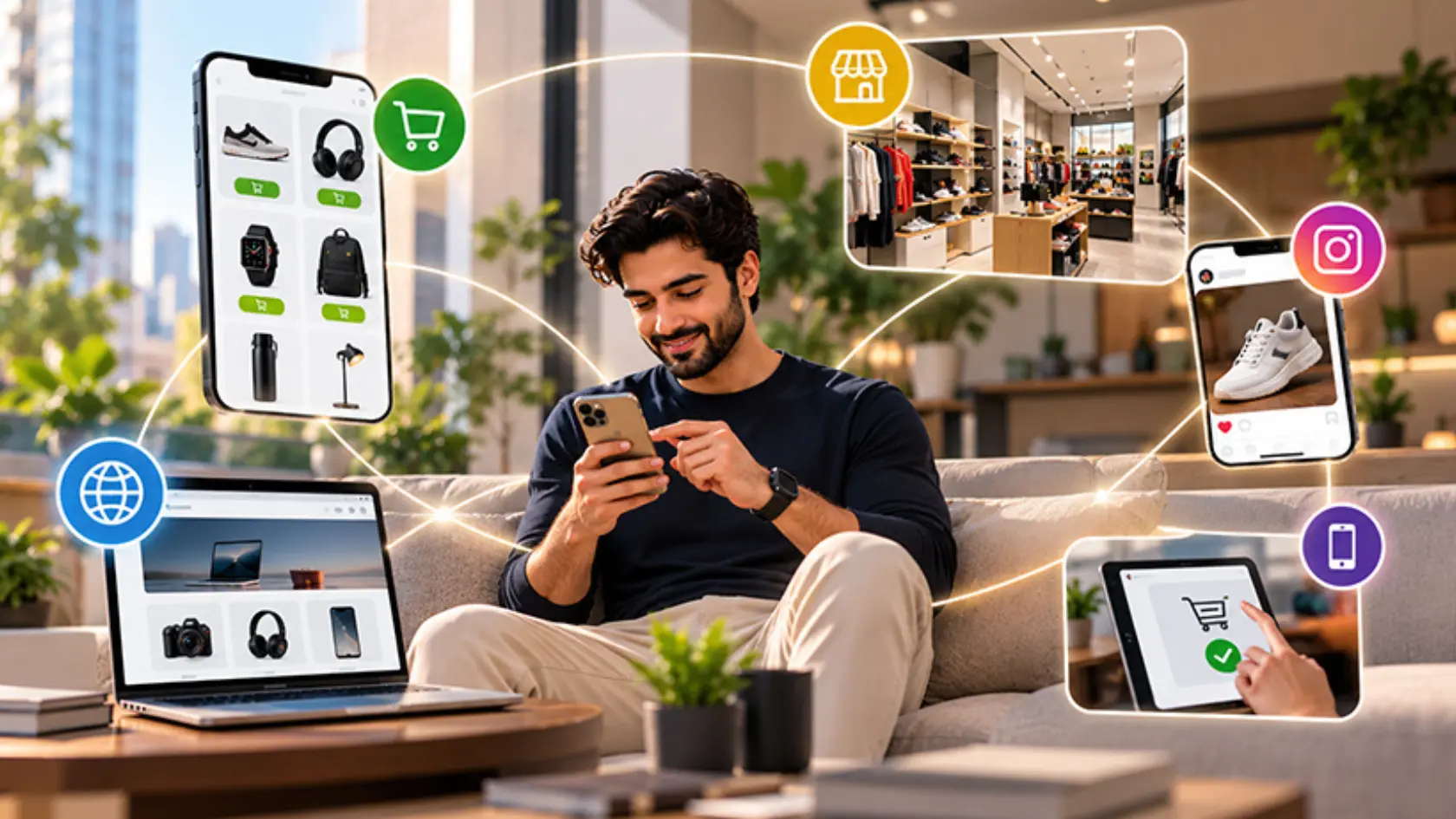
Omnichannel is a business strategy that unifies all sales, distribution, and customer touchpoints – physical stores, general trade, modern trade, eCommerce, marketplaces, and social commerce – into one seamless, connected customer experience. Unlike running separate channels independently, omnichannel ensures inventory, orders, fulfillment, and customer data work together so a customer can browse, buy, and return a product through any channel without friction.
In short: omnichannel means “all channels, one experience.”
Omnichannel vs. Multichannel vs. Cross-Channel
This is one of the most searched comparisons related to the topic, and the differences matter operationally, not just semantically.
| Aspect | Multichannel | Cross-Channel | Omnichannel |
| Channel presence | Multiple, independent | Multiple, loosely linked | Multiple, fully unified |
| Inventory visibility | Siloed per channel | Partially shared | Real-time, shared across all channels |
| Customer experience | Inconsistent | Somewhat consistent | Fully consistent and connected |
| Data | Channel-specific | Partially integrated | Centralized and integrated |
| Example | Selling on a website and in-store separately | Buy online, pick up in a separate system | Buy online, return in-store, with unified stock and order history |
Multichannel is about presence on many platforms. Omnichannel is about integration across all of them.
Why Omnichannel Matters for Modern Brands
Consumers today move fluidly between general trade stores, modern trade retail, marketplaces like Daraz, and direct-to-consumer websites – often within the same purchase journey. A brand that fails to connect these channels risks stockouts in one place while overstocking another, inconsistent pricing, delayed order fulfillment, and a fragmented customer experience that erodes trust.
An effective omnichannel strategy delivers:
- Consistent product availability across general trade, modern trade, and eCommerce
- Faster order fulfillment through centralized inventory and warehousing
- Better demand forecasting using unified sales data across channels
- Higher customer retention through a seamless buying and returns experience
- Reduced operational costs by eliminating channel-specific inefficiencies
Key Components of an Omnichannel Strategy
A true omnichannel operation is built on several interconnected pillars. Each one plays a distinct role in delivering a unified customer experience.
1. Omnichannel Distribution
Distribution is the backbone of omnichannel execution. This includes:
- General Trade Distribution – distributor network management, retail coverage, order taking, merchandising coordination, and market execution across traditional retail outlets.
- Modern Trade Distribution – key account management, listing management, promotion execution support, store-level coordination, and trade marketing support for organized retail chains.
- eCommerce Distribution – managing pureplay and quick-commerce (Q-commerce) retailers, inventory planning, order management, and marketplace account management.
- Sales Operations – sales team management, reporting, route planning, performance tracking, and demand forecasting that ties every channel’s sales data together.
2. Omnichannel Warehousing
Unified inventory starts with unified warehousing. Core capabilities include:
- Storage Solutions – dedicated or shared warehousing based on brand needs
- Inventory Management – stock management, cycle counts, stock audits, and inventory reconciliation
- Compliance & Quality – batch management, expiry management, FIFO/FEFO practices, and quality control checks
- Warehouse Operations – inbound processing, putaway management, and outbound processing
3. Omnichannel Fulfillment
Fulfillment is where the customer experience is won or lost. A mature omnichannel fulfillment setup covers:
- eCommerce Fulfillment – pick & pack, packaging, order processing, courier coordination, and returns management
- Marketplace Fulfillment – Daraz fulfillment, Shopify fulfillment, WooCommerce fulfillment, and multi-channel fulfillment support
- B2B Fulfillment – distributor fulfillment, retail fulfillment, institutional orders, and bulk dispatches
- Reverse Logistics – returns processing, damage management, and replacement handling
4. Value-Added Services
Omnichannel brands often need more than storage and shipping. Value-added services that support omnichannel readiness include packaging services (repacking, relabelling, barcode labelling), promotional services (bundling, gift packs, promotional packaging), and quality services (inspection, quality checks, product sorting, and customer support).
How to Build an Omnichannel Supply Chain: Step-by-Step
- Centralize inventory visibility across general trade, modern trade, and eCommerce channels so stock levels update in real time.
- Integrate order management systems so orders from marketplaces, websites, and retail partners flow into one operational view.
- Standardize warehousing and fulfillment processes to ensure consistent packaging, labelling, and delivery quality regardless of the originating channel.
- Enable flexible fulfillment options such as ship-from-warehouse, marketplace-fulfilled, or last-mile delivery, depending on customer location and urgency.
- Unify returns and reverse logistics so a product bought online can be returned or exchanged smoothly, and restocked accurately.
- Use data to forecast demand across all channels combined, not in isolated silos, to prevent overstocking or stockouts.
Real-World Omnichannel Examples
- A skincare brand sells through general trade stores, a modern trade retail chain, its own Shopify store, and Daraz – all supported by one shared warehouse and inventory pool.
- A customer orders online and the item is fulfilled from the nearest available stock location, with courier coordination and last-mile delivery ensuring same-day dispatch.
- A returned product from an eCommerce order is processed through reverse logistics, quality-checked, relabelled if needed, and returned to sellable inventory.
Common Omnichannel Challenges (and How to Solve Them)
| Challenge | Solution |
| Inventory mismatches across channels | Centralized inventory management with real-time reconciliation |
| Inconsistent order fulfillment speed | Standardized warehouse operations and pick & pack processes |
| Fragmented marketplace management | Unified marketplace account and multi-channel fulfillment management |
| Complex returns across channels | Dedicated reverse logistics with returns and damage management |
| Poor demand forecasting | Consolidated sales reporting and demand forecasting across all channels |
How Rholab Supports Omnichannel Operations
Building an omnichannel operation in-house is resource-intensive – it requires distribution networks, warehousing infrastructure, fulfillment capacity, and technology working in sync. Rholab provides end-to-end omnichannel enablement across four core service areas: Distribution Solutions (general trade, modern trade, eCommerce distribution, and sales operations), Warehousing Solutions (storage, inventory management, compliance, and warehouse operations), Fulfillment Solutions (eCommerce, marketplace, B2B fulfillment, and reverse logistics – including last-mile delivery through rhofleet), and Value-Added Services (packaging, promotional, and quality services).
This integrated approach allows brands to run general trade, modern trade, and eCommerce channels as one connected system, backed by real inventory visibility and consistent fulfillment quality – the operational foundation every omnichannel strategy depends on.
Curious? Here Are the Answers
Q1. What is omnichannel in simple terms?
Omnichannel means connecting all your sales and service channels – stores, distributors, and online platforms – into one seamless experience, so customers get consistent product availability, pricing, and service no matter how they shop.
Q2. What is the difference between omnichannel and multichannel?
Multichannel means selling through multiple channels that operate independently. Omnichannel means those same channels are fully integrated, sharing inventory, data, and customer experience in real time.
Q3. What is omnichannel distribution?
Omnichannel distribution is the coordinated management of general trade, modern trade, and eCommerce sales channels through a shared network of distributors, retail coverage, and order management, ensuring consistent product availability everywhere.
Q4. What is omnichannel fulfillment?
Omnichannel fulfillment is the process of picking, packing, and delivering orders from any channel – website, marketplace, or retail – using shared inventory and logistics infrastructure, so delivery speed and quality stay consistent.
Q5. Why is omnichannel important for retail businesses?
Omnichannel is important because modern customers switch between channels during a single purchase journey. Businesses without omnichannel integration risk inconsistent stock, delayed orders, and a disjointed customer experience that reduces loyalty and sales.
Q6. What industries use omnichannel strategies?
Omnichannel strategies are widely used in retail, FMCG, beauty and personal care, fashion, electronics, and consumer goods brands that sell across general trade, modern trade, and eCommerce or marketplace channels.
Q7. How does warehousing support omnichannel strategy?
Warehousing supports omnichannel strategy by centralizing stock, enabling accurate inventory management, and providing a single source of truth for stock levels across all sales channels, which prevents overselling and stockouts.
Q8. Can small or growing brands adopt omnichannel operations?
Yes. Brands don’t need to build all omnichannel infrastructure in-house. Partnering with a distribution, warehousing, and fulfillment provider like Rholab allows growing brands to launch omnichannel operations without heavy upfront investment.
The Final Word
Omnichannel is no longer optional for brands that want to stay competitive – it’s the operational standard customers now expect. True omnichannel success depends on more than a strategy on paper; it requires unified distribution across general trade, modern trade, and eCommerce, centralized warehousing, reliable fulfillment, and smooth reverse logistics working together as one system.
Whether you’re a growing FMCG brand or an established retailer expanding into marketplaces, building this infrastructure from scratch is complex – but you don’t have to do it alone.
Ready to build a seamless omnichannel operation? Talk to Rholab’s team about Distribution, Warehousing, Fulfillment, and Value-Added Services designed to help your brand deliver a consistent experience across every channel, everywhere your customers are.