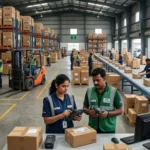
General trade distribution is the backbone of how products reach small shops, kirana stores, and local retail outlets. If you sell consumer goods, FMCG products, or everyday essentials, your business likely depends on a strong general trade distribution network. This guide explains what general trade distribution is, why it matters, and how to manage it well.
What Is General Trade Distribution?
General trade distribution is the process of getting products from a manufacturer or brand to small, independent retail stores. This includes kirana stores, mom-and-pop shops, pharmacies, and local grocery outlets. Unlike modern trade (supermarkets and big retail chains), general trade covers thousands of small, scattered stores across cities, towns, and rural areas.
In simple terms: general trade distribution is how everyday products end up on the shelves of your neighborhood store.
This channel remains the largest sales channel in many countries, especially across Asia, Africa, and the Middle East, because it reaches customers that large retail chains cannot.
Why General Trade Distribution Matters
General trade distribution matters because it gives brands access to a huge number of retail points that modern trade simply does not cover. A strong general trade network helps businesses:
- Reach customers in every neighborhood, town, and rural area
- Build brand visibility at the local level
- Increase sales volume through wide product availability
- Respond quickly to local market demand
- Stay competitive against other brands fighting for shelf space
Without effective general trade distribution, even a great product can fail to reach the people who want to buy it.
Key Components of General Trade Distribution
Managing general trade distribution well requires five core components working together. Each one plays a different role in making sure products move smoothly from warehouse to store shelf.
Distributor Network Management
Distributor network management is the foundation of general trade distribution. It involves selecting, onboarding, and managing distributors who act as the link between the brand and thousands of small retail stores.
Good distributor network management includes:
- Setting clear sales targets for each distributor
- Tracking distributor performance and stock levels
- Managing credit, payments, and order cycles
- Resolving conflicts between distributors and retailers
- Expanding the network into new territories
When distributor network management is weak, stock shortages, delayed deliveries, and lost sales usually follow.
Retail Coverage
Retail coverage refers to the number and spread of retail stores a brand’s products reach within a market. High retail coverage means a product is available in as many relevant stores as possible, increasing the chances a customer will find and buy it.
Retail coverage is usually measured through:
- Numeric distribution (how many stores stock the product)
- Weighted distribution (how important those stores are in terms of sales)
- Geographic spread across urban and rural areas
Expanding retail coverage is one of the fastest ways to grow sales in general trade, since more visible shelves mean more purchase opportunities.
Order Taking
Order taking is the process of collecting purchase orders from retail stores, usually done by field sales representatives who visit stores regularly. Efficient order taking keeps the entire distribution cycle moving.
Modern order taking usually involves:
- Sales reps visiting stores on a set route or beat plan
- Recording orders using mobile apps instead of paper
- Sending orders directly to the distributor or warehouse
- Reducing manual errors and delays
Fast and accurate order taking directly affects how quickly stores get restocked, which affects product availability on shelves.
Merchandising Coordination
Merchandising coordination ensures products are displayed correctly, shelves are stocked, and promotional materials are placed properly in retail stores. Good merchandising influences buying decisions at the point of sale.
Key merchandising activities include:
- Making sure products are visible and well-arranged
- Placing posters, banners, and promotional displays
- Checking product expiry dates and stock rotation
- Ensuring pricing and labeling are correct
Strong merchandising coordination helps brands stand out on crowded store shelves and builds customer trust.
Market Execution
Market execution is how well a company’s distribution strategy is carried out on the ground, in real stores, every single day. It ties together distributor network management, retail coverage, order taking, and merchandising into one working system.
Good market execution means:
- Sales plans are actually followed in the field
- Stock is available where and when customers need it
- Field teams are monitored and supported with data
- Issues are spotted and fixed quickly
Without strong market execution, even the best distribution strategy will fail in practice.
Common Challenges in General Trade Distribution
General trade distribution comes with real challenges, especially as networks grow larger and more spread out:
- Fragmented retail landscape: thousands of small stores across wide areas make coverage difficult
- Limited visibility: many businesses lack real-time data on stock, sales, and field activity
- Manual processes: paper-based order taking and reporting slow things down and cause errors
- Distributor inconsistency: performance can vary widely between distributors
- Out-of-stock situations: poor coordination leads to missed sales opportunities
These challenges are exactly why more businesses are turning to technology to manage their general trade distribution.
How Technology Improves General Trade Distribution
Technology has changed how general trade distribution works. Instead of manual tracking and guesswork, businesses now use digital tools to manage their entire distribution process.
Technology helps by:
- Giving real-time visibility into distributor stock and sales
- Automating order taking through mobile apps
- Tracking field sales rep visits and store coverage
- Providing data on retail coverage and market execution
- Making merchandising checks faster and more accurate
This shift from manual to digital distribution management is now considered essential for businesses that want to scale their general trade operations efficiently.
How Rholab Helps with General Trade Distribution
Rholab supports businesses in managing every part of their general trade distribution, from distributor network management to market execution. Rholab’s approach focuses on giving brands clear visibility into their retail coverage, simplifying order taking for field teams, and coordinating merchandising activities across thousands of stores.
By bringing distributor management, order taking, and market execution into one connected process, Rholab helps businesses reduce stock-outs, improve retail coverage, and strengthen their presence in general trade channels.
Common Questions
Q1. What is general trade, and how does it work?
General trade is the traditional distribution network where manufacturers sell products to wholesalers, distributors, retailers, and local stores before they reach consumers. This channel helps businesses achieve wide market coverage, especially in urban and rural areas, by leveraging established retail networks.
Q2. What is the difference between general trade and modern trade?
General trade consists of independent retailers, neighborhood shops, wholesalers, and local distributors. Modern trade includes organized retail formats such as supermarkets, hypermarkets, and chain stores. While general trade focuses on broad market penetration and personal relationships, modern trade emphasizes centralized purchasing, standardized operations, and larger retail outlets.
Q3. Why is general trade important for businesses?
General trade is important because it enables businesses to reach a large customer base through thousands of local retail outlets. It strengthens brand visibility, improves product availability, supports regional expansion, and helps companies build long-term relationships with distributors and retailers.
Q4. What are the key benefits of using a general trade distribution network?
A general trade distribution network offers several benefits, including wider geographic reach, improved product accessibility, stronger retailer relationships, increased sales opportunities, and better market penetration. It is particularly effective for fast-moving consumer goods (FMCG), food, beverages, and household products.
Q5. Which industries rely the most on general trade?
Industries such as FMCG, food and beverages, personal care, pharmaceuticals, consumer goods, and household essentials rely heavily on general trade. These industries benefit from extensive retail distribution and consistent product availability across local markets.
Q6. How can a company improve its general trade sales?
Companies can improve general trade sales by building strong distributor partnerships, maintaining consistent product availability, offering retailer incentives, optimizing inventory management, training sales representatives, and using sales analytics to identify growth opportunities. Regular market visits and customer engagement also contribute to higher sales performance.
Q7. What challenges do businesses face in general trade?
Common challenges in general trade include inventory management, distribution inefficiencies, price competition, delayed payments, inconsistent retailer engagement, and limited visibility into sales performance. Implementing effective supply chain management and digital sales tools can help overcome these challenges.
Q8. How does technology improve general trade operations?
Technology improves general trade by automating order management, tracking inventory in real time, optimizing delivery routes, and providing sales data for better decision-making. Mobile sales applications, CRM systems, and distribution management software also help businesses increase efficiency and improve retailer service.
Q9. What is the role of distributors in general trade?
Distributors act as the link between manufacturers and retailers. They manage inventory, deliver products to retail stores, ensure consistent product availability, support promotional activities, and help businesses expand into new markets while maintaining an efficient supply chain.
Q10. How do you build a successful general trade strategy?
A successful general trade strategy includes selecting reliable distributors, maintaining strong retailer relationships, ensuring consistent product supply, implementing competitive pricing, using data-driven sales planning, monitoring market performance, and continuously improving distribution efficiency. Combining traditional distribution with digital tools can further strengthen long-term business growth.
Final Thoughts
General trade distribution remains one of the most important sales channels for reaching everyday customers, from busy city streets to small rural towns. Success in this channel depends on strong distributor network management, wide retail coverage, efficient order taking, consistent merchandising coordination, and reliable market execution.
Businesses that manage these components well see better product availability, stronger sales, and long-term growth in general trade.
If you want to strengthen your general trade distribution and get better visibility across your distributor network and retail coverage, Rholab can help you build a more connected and efficient distribution process. Reach out to Rholab today to see how a smarter approach to general trade distribution can grow your business.